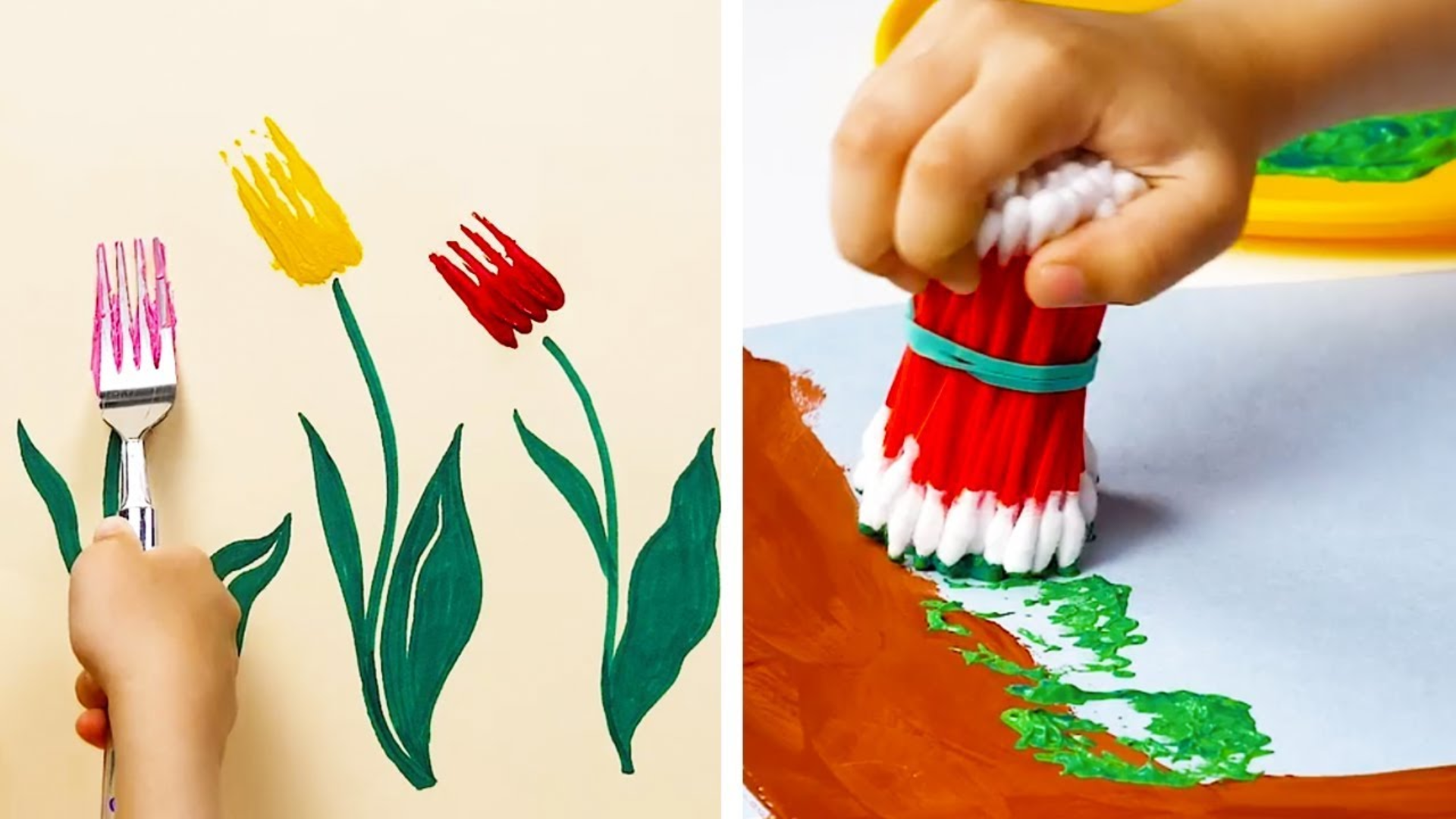
Creative arts play a vital role in a child’s learning journey by encouraging imagination, problem-solving, and emotional expression. Through fun art projects and craft activities, children not only enjoy themselves but also develop important skills that support their overall growth. This guide explores practical tips to help parents and teachers use creative arts as a tool for effective learning.
1. Encourage Free Expression
Allow children to express themselves freely through drawing, painting, or crafting without focusing on perfection. This builds confidence and helps them develop a unique voice in their work.
2. Introduce a Variety of Materials
Expose kids to crayons, clay, fabric, natural objects, and recycled materials. Using different textures and tools sparks curiosity and enhances sensory learning.
3. Combine Art with Learning
Integrate creative arts into subjects like math, science, or reading. For example, kids can draw story characters, create number collages, or design science models through crafts.
4. Celebrate Effort Over Results
Focus on the effort and creativity children put into their work rather than the final product. Celebrating their attempts motivates them to keep exploring and learning.
5. Create a Supportive Environment
Provide a safe and welcoming space where kids feel free to experiment with ideas. A positive environment encourages risk-taking and builds resilience through creative exploration.
Conclusion: Nurturing Growth through Creativity
Creative arts are more than fun activities; they are powerful tools for learning. By encouraging free expression, providing diverse materials, integrating art with academics, and fostering a supportive environment, parents and teachers can help children grow in confidence, creativity, and problem-solving skills.
